
Coping with Pregnancy Loss: Supporting Yourself Through Grief After Miscarriage or Stillbirth
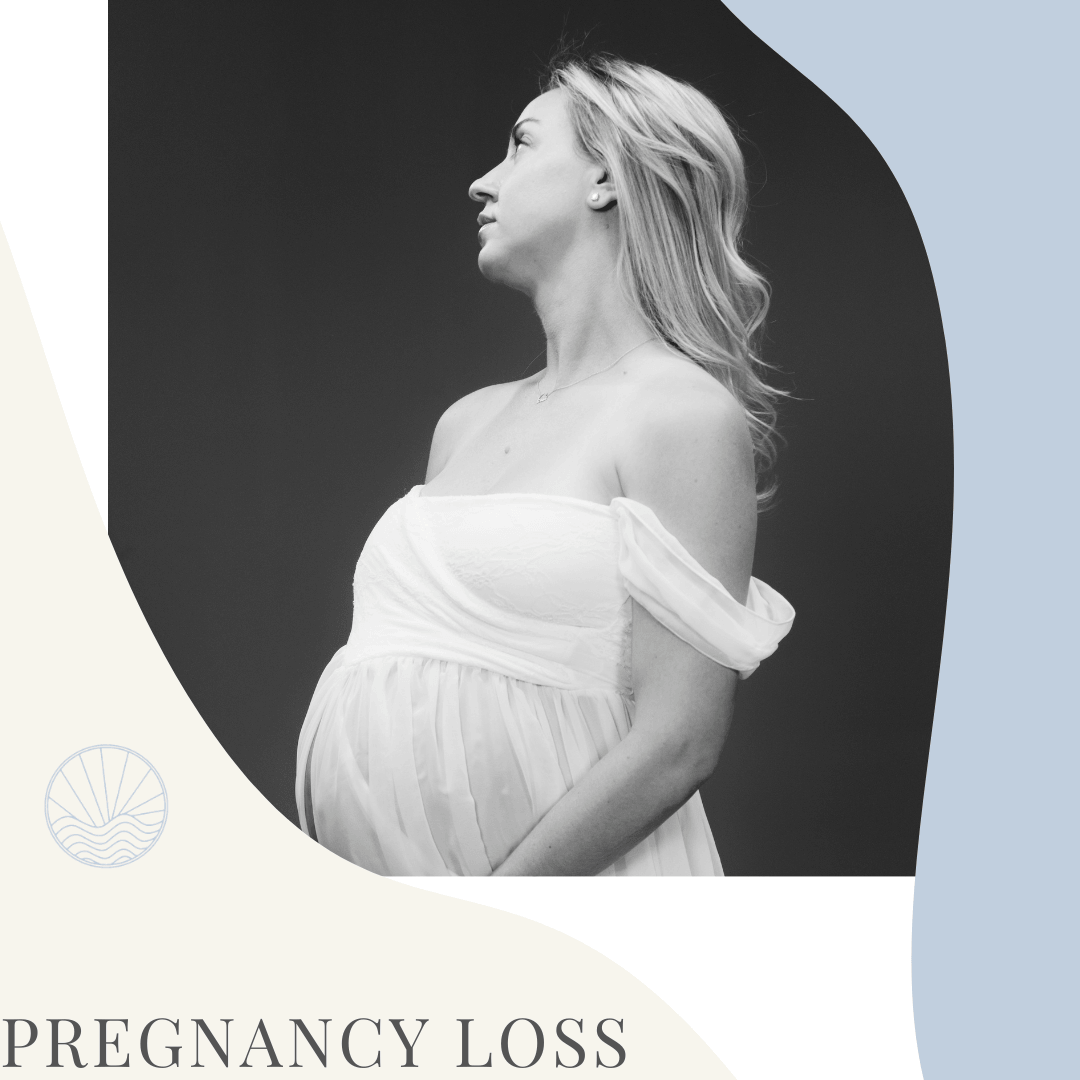
Pregnancy loss is more common than many people realize — yet it is often experienced in silence.
Research suggests that approximately 20% of pregnancies end in miscarriage, defined as a loss occurring before 20 weeks of gestation. An additional 2% end in stillbirth, defined as pregnancy loss after 20 weeks. While pregnancy loss is medically common, its emotional impact can be profound, deeply personal, and sometimes traumatic.
Grief after pregnancy loss deserves recognition, compassion, and support. While nothing can erase the loss, there are ways to care for yourself as you move through the grieving process.
1. Allow Yourself to Grieve
Pregnancy loss can bring a wide range of emotions, including:
Numbness or shock
Deep sadness
Anger or confusion
Guilt or self-doubt
Jealousy toward others’ pregnancies
Relief, particularly if complications were present
All of these responses are valid.
There is no right or wrong way to grieve and no timeline you must follow. You may find yourself mourning not only the pregnancy itself but also the future you imagined from the moment you saw a positive pregnancy test.
Grief after pregnancy loss is real grief — even if others do not fully understand it.
2. Release Self-Blame
Many individuals blame themselves for pregnancy loss, especially when there are no clear medical explanations.
According to the American College of Obstetricians and Gynecologists (ACOG), about half of miscarriages occur due to factors beyond anyone’s control, often related to chromosomal abnormalities that prevent normal development.
Pregnancy loss does not mean you are broken, deficient, or responsible for what happened. Although evaluation by a reproductive endocrinologist may be recommended after recurrent losses, most losses are not preventable.
It can be helpful to reframe miscarriage not as something a person has “caused,” but as the body recognizing a pregnancy that could not continue medically.
3. Hold Onto Hope — Gently
While every journey is different, research indicates that miscarriage is often a one-time event.
Approximately 85% of people who experience pregnancy loss go on to have healthy pregnancies.
Even among those with recurrent miscarriages, about 75% eventually have successful pregnancies.
Hope does not erase grief, and grief does not mean you lack hope. Both can exist at the same time.
4. Understand That Another Pregnancy Does Not Erase the Loss
The desire to become pregnant again after loss can feel urgent and deeply emotional. However, research shows that individuals who have experienced pregnancy loss may experience increased anxiety and depression during subsequent pregnancies.
Healing emotionally — alongside physical recovery — can help you enter a future pregnancy with additional support and coping resources.
Taking time to grieve does not mean moving backward; it is part of integrating the experience into your life.
5. Seek Support
Pregnancy loss can feel isolating, especially if others were unaware of the pregnancy. Sharing your experience — if and when you feel ready — can open the door to meaningful support.
Options for support include:
Trusted friends or family members
Pregnancy loss support groups
Individual therapy with a perinatal mental health specialist
Organizations such as Postpartum Support International (PSI) offer pregnancy loss support groups and directories to help you find specialized therapists.
PSI Helpline: 1-800-944-4773 (4PPD)
6. Consider Commemorating Your Loss
Rituals and remembrance practices can support the grieving process by honoring the significance of your baby and your experience.
Some meaningful ways people commemorate pregnancy loss include:
Lighting a candle on October 15 — Pregnancy and Infant Loss Awareness Day
Creating a keepsake box with ultrasound photos or mementos
Wearing remembrance jewelry
Planting flowers or a tree
Making a charitable donation in honor of the baby
Holding a private or shared memorial ceremony
Commemoration can help transform grief into ongoing connection and meaning.
Additional Mental Health Resources
National Maternal Mental Health Hotline (24/7): 1-833-852-6262
988 Suicide & Crisis Lifeline (24/7): Call or text 988
If you are experiencing a mental health emergency, call 911 or go to the nearest emergency room.

I’m Dr. Carissa Gustafson; licensed clinical psychologist based in Los Angeles
Using evidence-based therapy, I can help you bring presence to pain and find peace on your pregnancy and postpartum journey.
