
What Are PMADs? Understanding Perinatal Mood and Anxiety Disorders
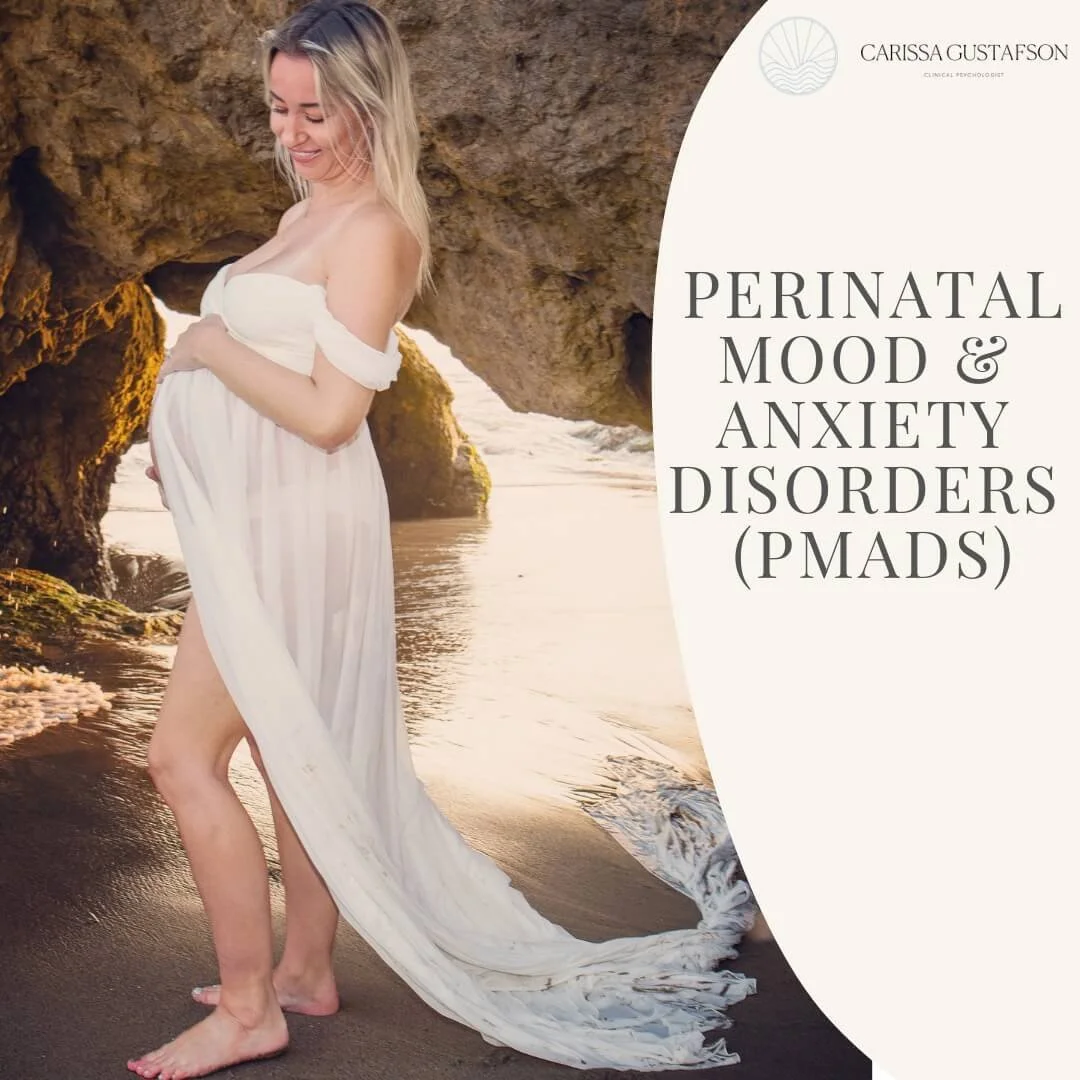
Understanding Perinatal Mental Health
Most people have heard of postpartum depression (PPD), but fewer realize that there are multiple mental health conditions that can arise during pregnancy and the postpartum period.
These are collectively known as Perinatal Mood and Anxiety Disorders (PMADs).
The perinatal period includes:
Pregnancy
The first year after birth
During this time, individuals experience significant hormonal, psychological, relational, and identity changes—making it one of the most vulnerable periods for mental health challenges.
If you are struggling during this time:
You are not alone—and what you are experiencing is likely understandable in context.
What Are PMADs?
PMADs refer to a group of mental health conditions that can occur during pregnancy or postpartum.
These include:
Postpartum depression (PPD)
Postpartum anxiety
Postpartum obsessive-compulsive disorder (OCD)
Postpartum post-traumatic stress disorder (PTSD)
Bipolar disorder (including postpartum onset)
Postpartum psychosis
These conditions are common, treatable, and not a reflection of your ability as a parent.
Postpartum Depression (PPD)
Postpartum depression affects approximately 1 in 7 women and can also impact non-birthing partners.
Symptoms may include:
Persistent sadness or emptiness
Hopelessness
Irritability or anger
Sleep and appetite changes
Difficulty bonding with your baby
Thoughts of self-harm or suicide
PPD is not simply hormonal—it is influenced by biological, psychological, and social factors.
It also differs from the “baby blues,” which are temporary and typically resolve within two weeks.
If symptoms persist or interfere with functioning, support is important.
Postpartum Anxiety and Panic
Some level of worry is expected in early parenthood.
However, postpartum anxiety involves persistent, excessive worry that feels difficult to control.
Symptoms may include:
Constant dread or racing thoughts
Physical symptoms (racing heart, nausea, restlessness)
Difficulty relaxing
Panic attacks
Many individuals experience both anxiety and depression together.
Postpartum OCD (Intrusive Thoughts)
Postpartum OCD often involves intrusive thoughts—unwanted, distressing thoughts or images, often related to harm coming to the baby.
These thoughts can feel frightening, but it is important to understand:
They are involuntary
They do not reflect intent
They are often connected to a heightened protective response
Some individuals may also engage in compulsive behaviors such as checking, avoidance, or reassurance-seeking.
This condition is highly treatable with appropriate care.
Postpartum PTSD (Birth Trauma)
Although childbirth is common, it can also be experienced as traumatic.
Postpartum PTSD may occur following:
Emergency medical interventions
Loss of control during labor
Feeling unheard or unsafe
Symptoms may include:
Flashbacks or nightmares
Avoidance of reminders
Hypervigilance
Emotional numbness
Trauma-informed therapy can be highly effective in supporting recovery.
Bipolar Disorder in the Postpartum Period
For some individuals, the postpartum period can trigger the onset of bipolar disorder.
Symptoms of mania may include:
Elevated or irritable mood
Decreased need for sleep
Increased energy
Impulsivity or risk-taking
Racing thoughts
This requires careful psychiatric evaluation and treatment.
Postpartum Psychosis (Rare but Urgent)
Postpartum psychosis is rare—affecting approximately 1–2 per 1,000 births—but it is a psychiatric emergency.
Symptoms may include:
Delusions or hallucinations
Severe confusion
Disorganized thinking
Loss of contact with reality
If this is suspected, immediate medical attention is critical.
Call 911 or go to the nearest emergency room.
When to Seek Support
You do not need to wait until things feel “severe” to seek help.
It may be helpful to reach out if you are experiencing:
Persistent anxiety or low mood
Intrusive thoughts
Difficulty sleeping unrelated to your baby
Feeling disconnected from yourself or your baby
Overwhelm that interferes with daily functioning
Early support can make a meaningful difference.
Working With a Perinatal Therapist in California
Working with a perinatal therapist in California ensures that your experience is:
Understood in the correct clinical context
Not minimized or misinterpreted
Treated using evidence-based, perinatal-informed approaches
You don’t have to figure this out on your own.
Support & Resources
If you are experiencing symptoms of a PMAD, support is available:
Postpartum Support International
Helpline: 1-800-944-4773 (EN/ES)National Maternal Mental Health Hotline (24/7): 1-833-852-6262
988 Suicide & Crisis Lifeline (24/7): Call or text 988
If you are in immediate danger, call 911 or go to the nearest emergency room
You Don’t Have to Navigate This Alone
If you’re experiencing symptoms of a perinatal mood or anxiety disorder:
You don’t have to navigate this alone.
Support is available—and recovery is possible.
I offer perinatal therapy in California, supporting individuals through pregnancy, postpartum, infertility, and reproductive loss—both online and in-person in Santa Monica at WUUM.

I’m Dr. Carissa Gustafson; licensed clinical psychologist based in Los Angeles
Using evidence-based therapy, I can help you bring presence to pain and find peace on your pregnancy and postpartum journey.
