
Healing After Birth Trauma: Coping with a Traumatic Childbirth Experience
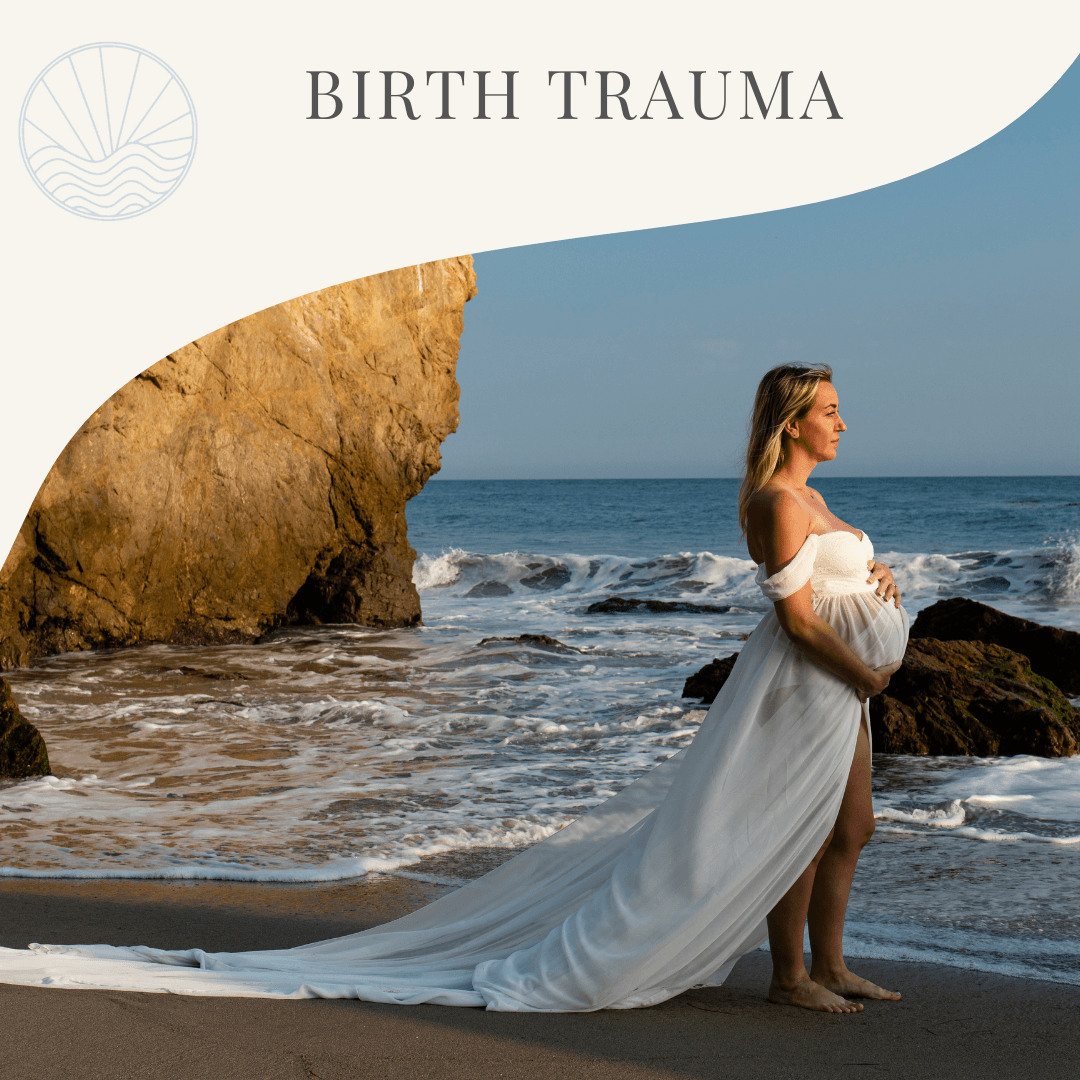
When preparing for the 4th trimester — the first 12 weeks after birth — most planning focuses on the baby.
Childbirth is often portrayed as a joyful and natural experience. Because of this, many people are unprepared for how medically intense, unpredictable, and potentially traumatic birth can be.
The reality is that childbirth can sometimes become a life-threatening or deeply distressing event due to complications such as:
Emergency cesarean delivery (C-section)
Postpartum hemorrhage
Severe medical interventions
NICU admissions
Unexpected complications affecting parent or baby
Research suggests that up to 45% of women experience their birth as traumatic, and approximately 4% develop postpartum post-traumatic stress disorder (PTSD).
If you feel distressed, overwhelmed, or emotionally changed after childbirth, you are not alone — and your experience is valid.
Signs of PTSD After Childbirth
Birth trauma can affect both emotional and physical well-being. Symptoms of postpartum PTSD may include:
Intrusive memories or flashbacks of the birth
Nightmares related to delivery
Emotional distress or panic when reminded of the experience
Physical reactivity (racing heart, tension, nausea)
Guilt or self-blame
Depression or emotional numbness
Irritability or anger
Feelings of hopelessness or disconnection
These reactions are not signs of weakness; they are common responses to overwhelming or frightening experiences.
How to Cope with Birth Trauma
1. Grieve the Birth You Envisioned
Many parents enter labor with hopes or expectations shaped by birth plans, education, and cultural messaging. When complications arise, the loss of that envisioned experience can feel profound.
Allow yourself to grieve the birth you hoped for. Grieving does not mean you are ungrateful for your baby — it means you are acknowledging a meaningful loss while beginning to process what happened.
Recognizing that much of childbirth is outside anyone’s control can be an important step toward healing.
2. Acknowledge and Allow Difficult Emotions
Birth trauma can bring a complex mix of emotions, including:
Anger toward yourself or medical providers
Shame or guilt
Fear or vulnerability
Emotional detachment from your baby
These reactions are common trauma responses.
Some parents feel especially distressed if they experience emotional distance from their newborn. This detachment is often the nervous system’s attempt to protect itself after overwhelm — not a reflection of your love or ability as a parent.
Avoid minimizing or forcing yourself into positivity. Healing often requires holding both gratitude and pain at the same time.
3. Remember: Your Delivery Does Not Define You as a Parent
Many individuals interpret birth outcomes as personal success or failure. This belief can deepen shame after a traumatic delivery.
Your birth was not a test, and it does not determine your bond with your baby.
Attachment develops gradually through everyday caregiving, connection, and shared experiences over time — not in a single moment or medical event.
4. Process What Happened
Trauma recovery involves making sense of the experience and integrating it into a coherent personal narrative.
Helpful ways to process birth trauma include:
Talking with trusted, supportive friends or family
Joining a birth trauma support group
Working with a therapist trained in perinatal mental health or trauma treatment
Writing or journaling your birth story
Putting words to your experience can help your brain shift the memory from an ongoing threat to a completed event.
5. Reach Out for Professional Support
If symptoms of trauma persist or interfere with daily functioning, professional support can be incredibly helpful.
You may consider:
Birth trauma support groups
Individual therapy with a perinatal mental health specialist
Trauma-informed therapies such as EMDR, CBT, or somatic approaches
Organizations such as Postpartum Support International (PSI) offer specialized support groups and directories to help you find trained providers.
Learn more at: https://www.postpartum.net
PSI Helpline: 1-800-944-4773 (4PPD)
Additional Mental Health Resources
National Maternal Mental Health Hotline (24/7): 1-833-852-6262
988 Suicide & Crisis Lifeline (24/7): Call or text 988
If you are experiencing a mental health emergency, call 911 or go to the nearest emergency room.
You Don’t Have to Navigate This Alone
If you’re pregnant, postpartum, trying to conceive, or navigating loss:
You don’t have to figure this out on your own.
You deserve support from someone who understands both the clinical and lived realities of this experience.
I offer perinatal therapy in California, both online and in-person in Santa Monica at WUUM, supporting individuals through pregnancy, postpartum, infertility, and reproductive loss.

I’m Dr. Carissa Gustafson; licensed clinical psychologist based in Los Angeles
Using evidence-based therapy, I can help you bring presence to pain and find peace on your pregnancy and postpartum journey.
